
About Greening Ethiopia
The four-year project aims to strengthen the role of Ethiopian universities as key agents in driving the country’s green transition.
Greening Ethiopia is a four-year Erasmus+ project that aims to strengthen the role of Ethiopian universities in supporting the country’s green transition. The project focuses on sustainable agriculture, renewable energy, research innovation, and climate-responsive higher education.
By strengthening higher education policies, improving institutional sustainability, and modernizing curricula, the project contributes directly to Ethiopia’s Climate Resilient Green Economy (CRGE) strategy and the European Union’s Global Gateway priorities.
Working closely with the Ethiopian Ministry of Education and four leading Ethiopian universities — Assosa University, Bahir Dar University, Haramaya University, and Mekelle University — the project supports the integration of sustainability into university operations, research, teaching, and community engagement.
The project also brings together European expertise through Maastricht School of Management – Maastricht University, Università Cattolica del Sacro Cuore, and International Hellenic University. Together, the European partners contribute expertise in higher education capacity development, sustainability certification, problem-based learning, smart farming, renewable energy, and innovation in sustainable agriculture and higher education.
Through policy reform, curriculum modernization, applied research, staff training, regional innovation platforms, and community outreach activities, Greening Ethiopia aims to help create a more sustainable and climate-responsive higher education ecosystem that contributes to Ethiopia’s long-term green development goals.
The project is led by Project Director Dr. Ir. Huub L.M. Mudde and Project Manager Ms. Veerle Barten. The project runs from January 2026 until December 2029 and is co-funded by the European Union under the Erasmus+ Programme (Strand 3 – Structural Reform Projects).
Key Project Components
Sustainability Assessment and Policy Support
Developing sustainability assessment frameworks and policy guidelines for greening higher education institutions


Curriculum and Staff Development
Revising master’s modules in climate-smart agriculture and renewable energy, and training faculty to use problem-based learning (PBL) and e-learning tools.
Applied research
Launching interdisciplinary research on climate-smart agriculture and energy applications, with knowledge feeding back into teaching, communities and businesses.
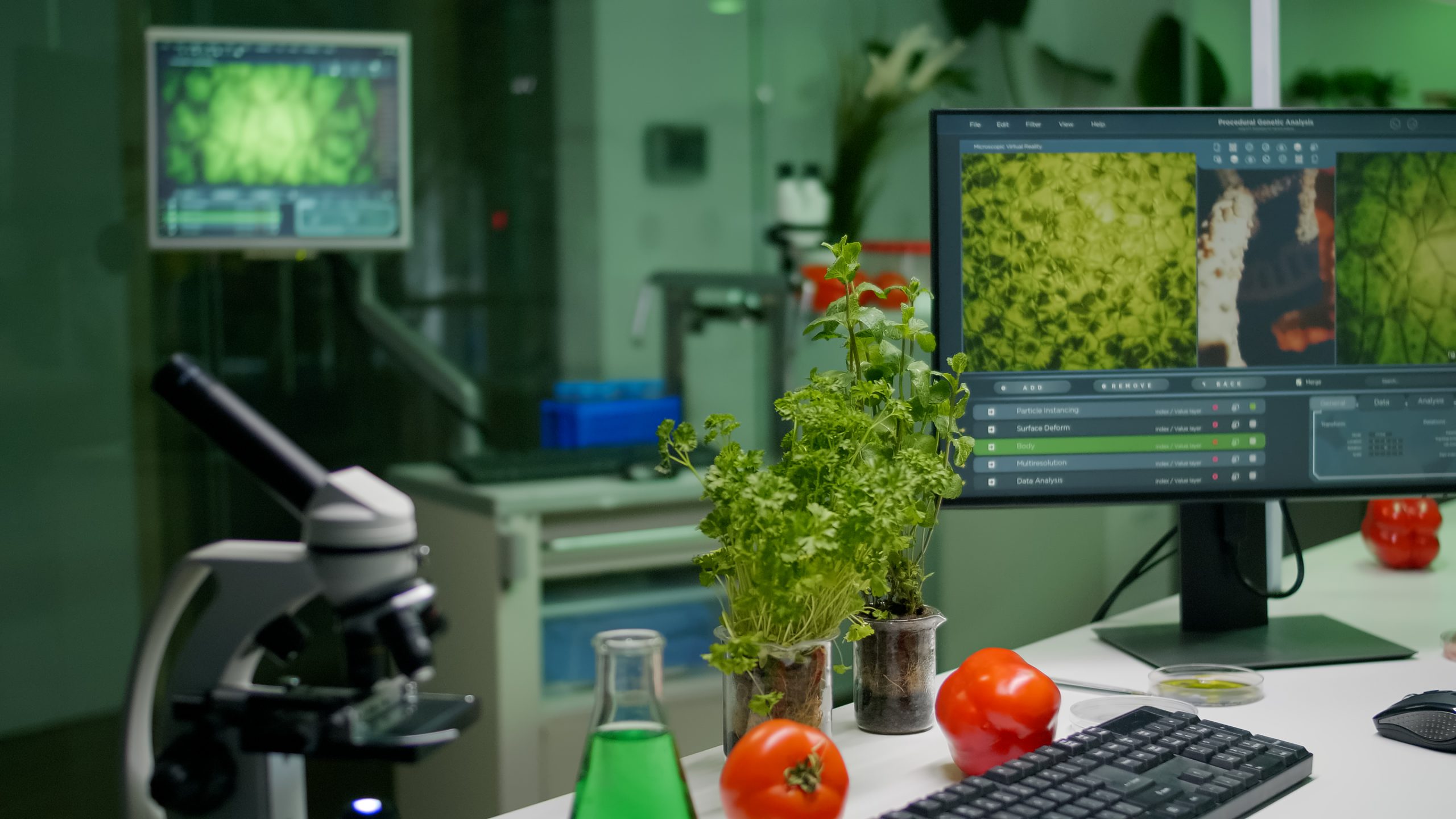

Innovation Platforms andEntrepreneurship
Establishing regional platforms that connect universities, government and industry, and supporting student and graduate start-ups in green sectors.
Inclusive research
Engaging youth, women and rural communities through targeted skills training and community activities.