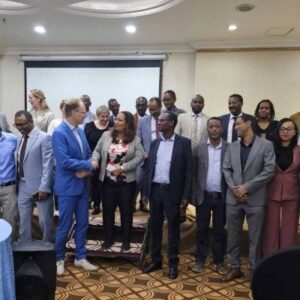
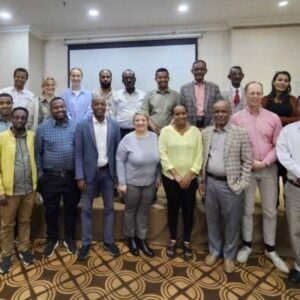
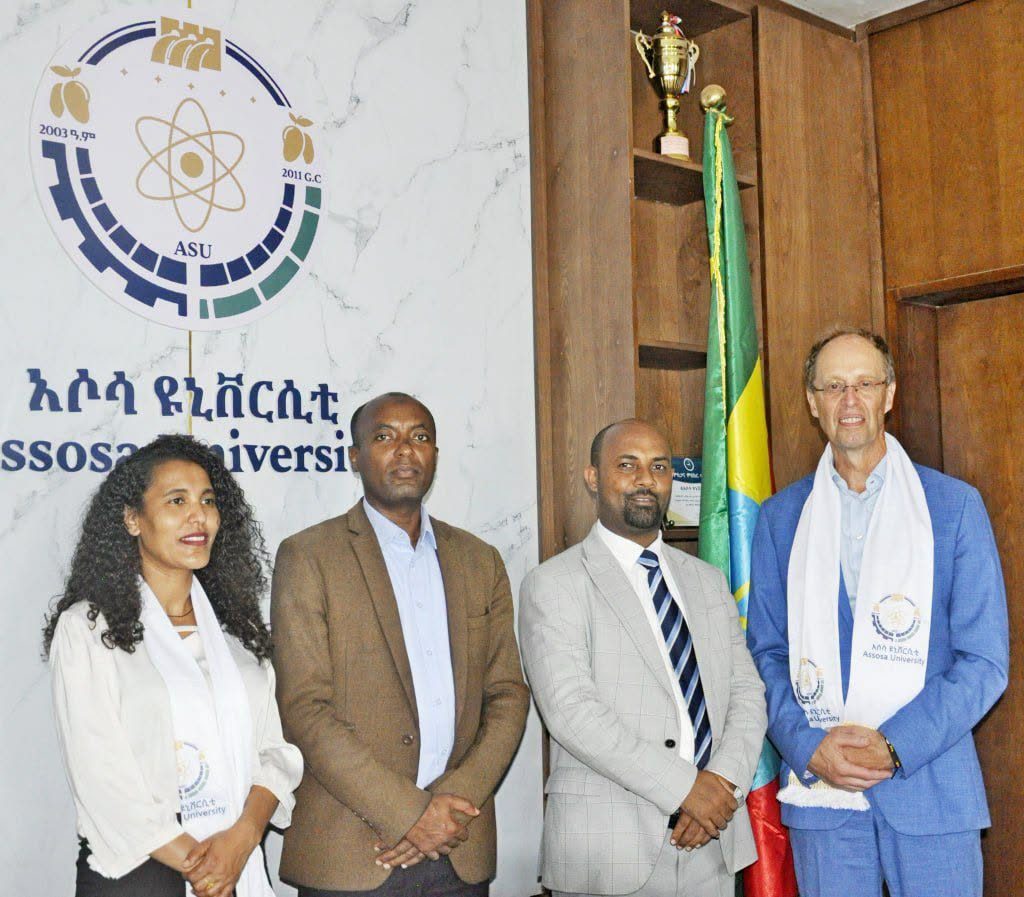
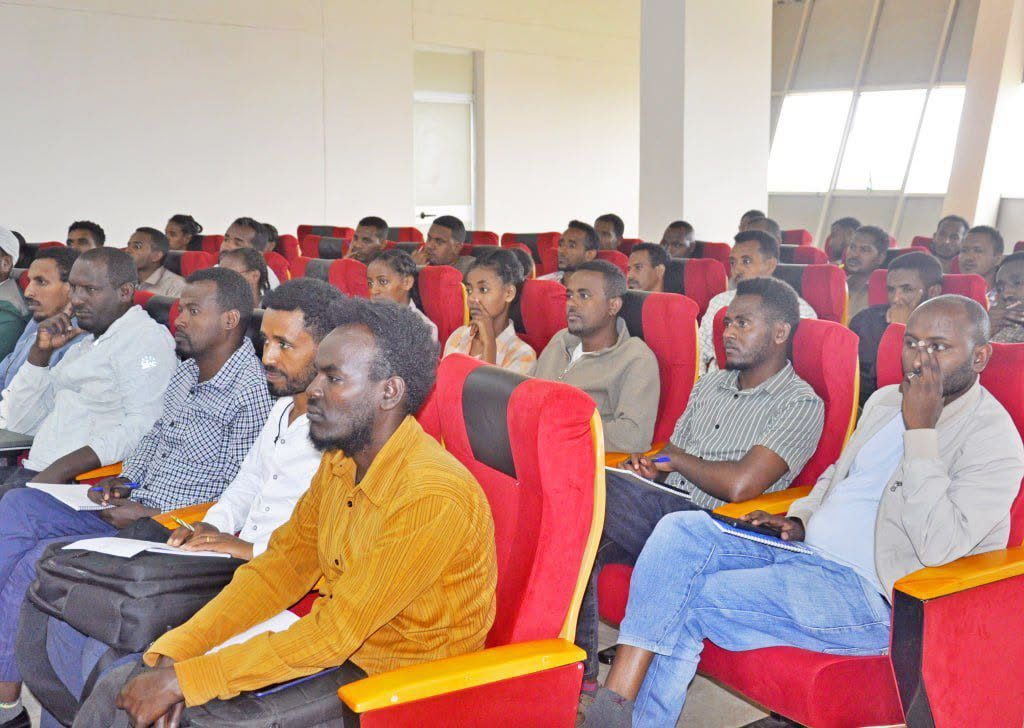
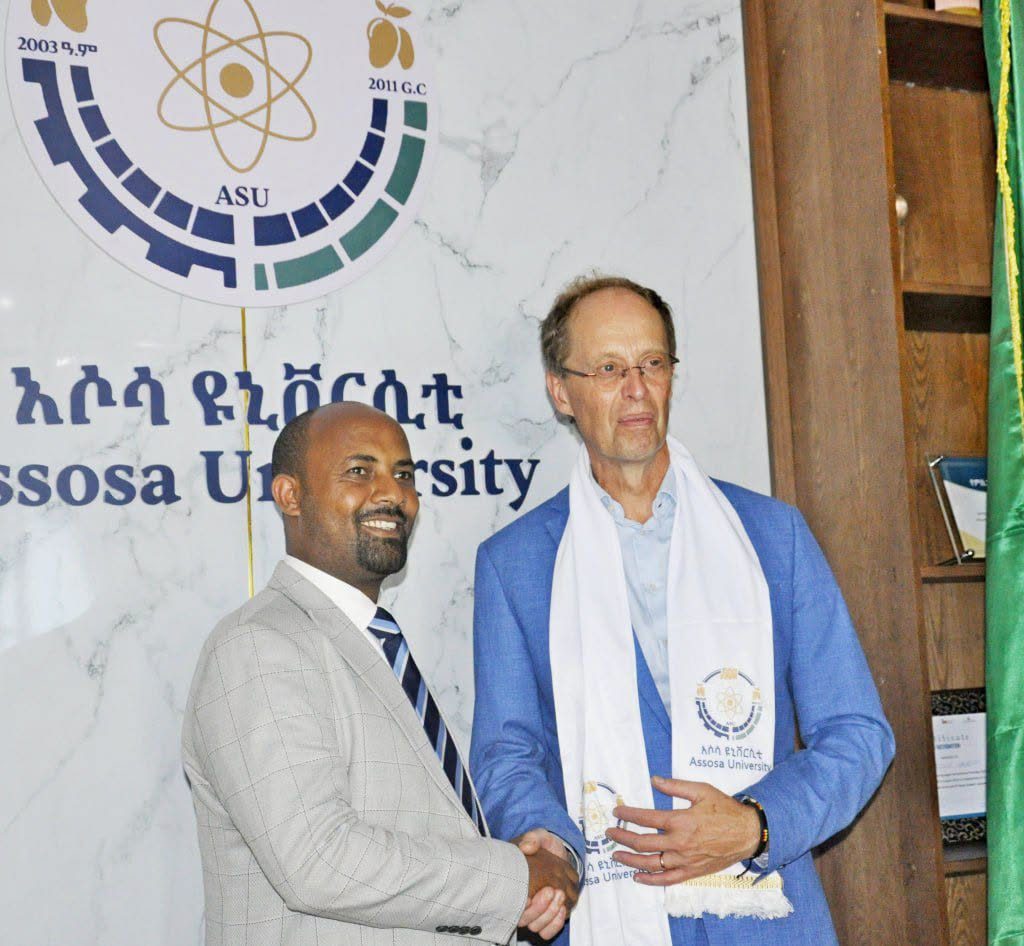
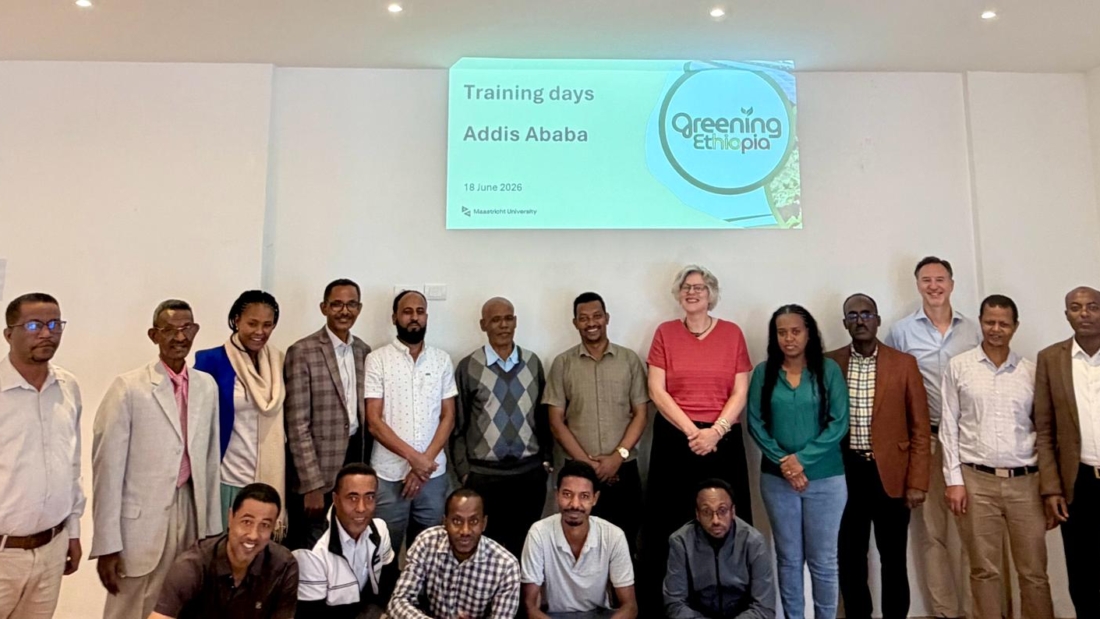
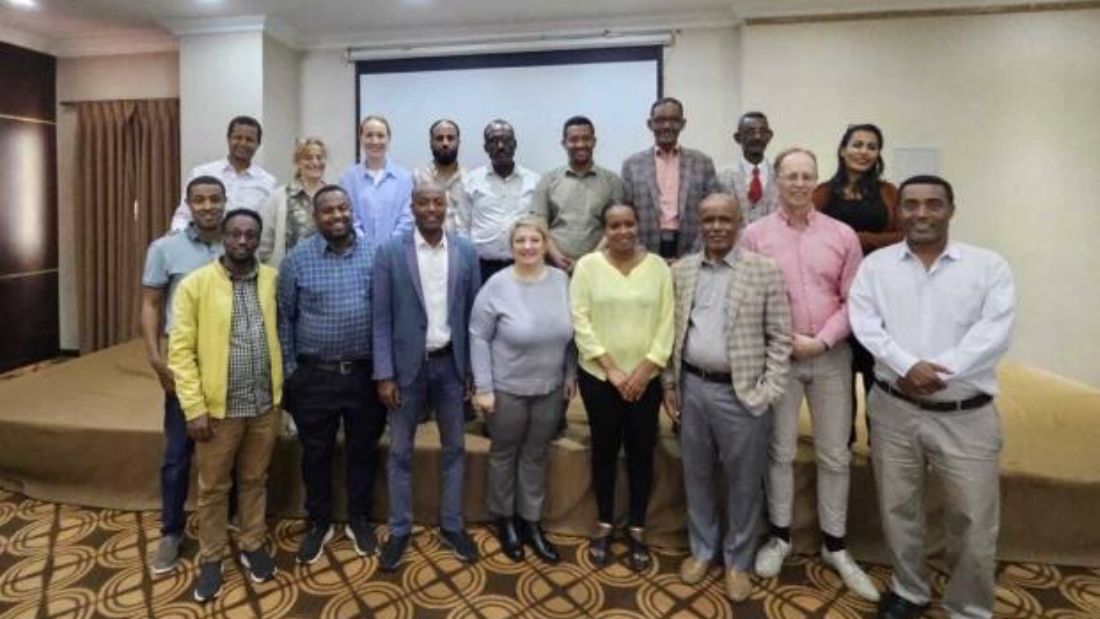
The official kick-off of the Greening Ethiopia project took place on the morning of 27 January 2026 in Addis Ababa, at the Capital Hotel and Spa. The meeting brought together 35 participants from Ethiopian partner universities (Haramaya University, Assosa University, Mekelle University, Bahir Dar University), the Ministry of Education, the private sector, the European Union, the Embassy of the Kingdom of the Netherlands, and project partners Universita Cattolica del Sacro Cuore from Italy and project lead Maastricht School of Management – Maastricht University from the Netherlands.
Greening Ethiopia is an Erasmus+ capacity building project that aims to strengthen Ethiopian higher education institutions in supporting the country’s transition towards a climate-resilient green economy. The project focuses on sustainable agriculture and renewable energy, strengthening universities through governance and policy support, curriculum innovation, applied research, and engagement with communities and industry.
The meeting was chaired by Dr. Mulugeta Watabaji from Haramaya University, who welcomed participants and highlighted the strong teamwork that led to the successful development of the project proposal and the start of its implementation.
The kick-off opened with welcome remarks by Dr. Jemal Yousuf, President of Haramaya University, who emphasized the importance of partnership and collaboration. He expressed confidence that Greening Ethiopia is well aligned with Ethiopia’s Climate Resilient Green Economy Strategy and the European Global Gateway framework, and that the project can contribute to lasting and practical sustainability solutions.
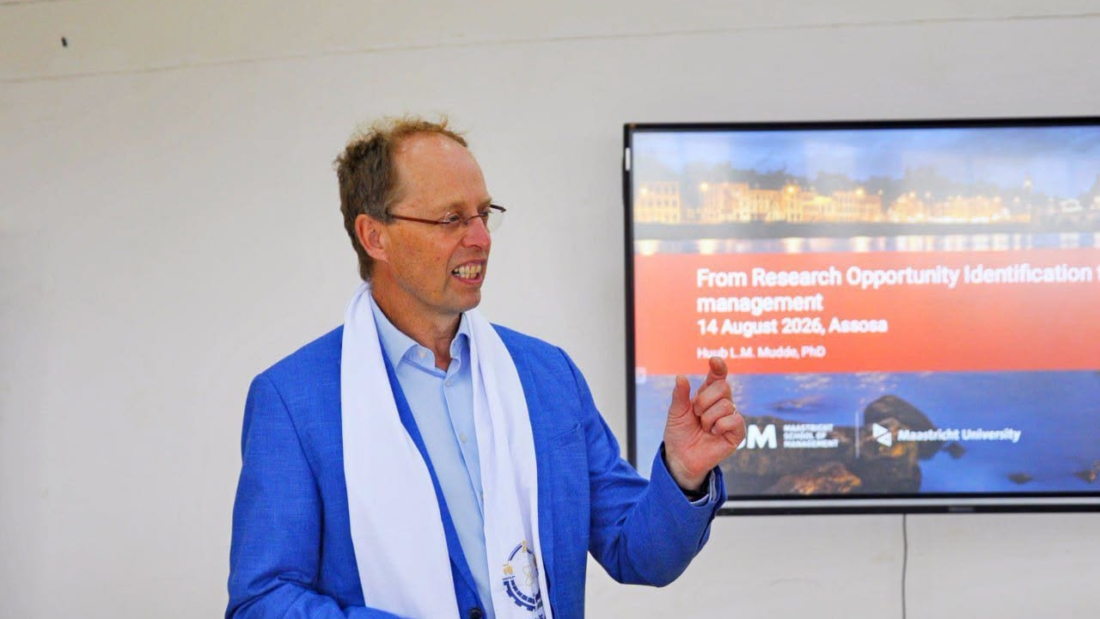
Dr. Ir. Huub L.M. Mudde, Project Director and representative of Maastricht School of Management – Maastricht University, highlighted the urgency of climate change and its growing impact on food security and rural livelihoods in Ethiopia. He stressed the key role of universities in leading the green transition through education, research, and by setting an example in sustainable practices. He underlined the importance of long-term collaboration, strong policy frameworks, and peer learning between Ethiopian and European partners.
The project was officially opened by Dr. Eba Minjena, CEO for Academic Affairs at the Ministry of Education on behalf of H.E. Kora Tushune, State Minister for the Higher Education Sub-sector. Dr. Eba emphasized the crucial role of universities as knowledge hubs for local communities and the importance of commitment and collaboration to achieve Ethiopia’s green economy ambitions. He highlighted the need to introduce students to green principles and to strengthen the outreach role of universities.
Ms. Veerle Barten, Project Coordinator at MSM-UM for Greening Ethiopia, presented an overview of Greening Ethiopia and the partnership between four Ethiopian public universities (Haramaya University, Assosa University, Mekelle University, Bahir Dar University), the Ministry of Education, and European universities which are the International Hellenic University (Greece), Universita Cattolica del Sacro Cuore (Italy) and Maastricht School of Management – Maastricht University (Netherlands). She explained how the project strengthens universities at institutional level through sustainability assessments, governance and policy innovation, curriculum development, staff capacity building, applied research, and community outreach. She also outlined how the project is structured into seven interconnected work packages to ensure coherence, quality, visibility, and long-term impact.
University leaders from the Ethiopian partner institutions shared reflections on the importance of Greening Ethiopia for their universities and regions. Dr. Fana Hagos, President of Mekelle University, highlighted the project’s contribution to strengthening practical skills in sustainable agriculture and renewable energy. Dr. Abdulmuhsin Hassen, Vice President for Research and Technology Transfer at Assosa University, described the project as a catalyst for institutional growth and climate responsibility. Prof. Eneyew Adgo, Vice President for Research and Community Engagement at Bahir Dar University, emphasized the responsibility of universities to link education and research to societal needs. Dr. Jemal Yousuf underlined Haramaya University’s long-standing role in agricultural education and community engagement, and how the project strengthens this mandate.
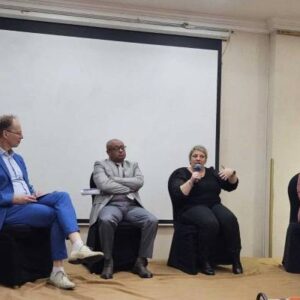
The morning concluded with a panel discussion hosted by Dr. Ir. Huub L.M. Mudde, bringing together perspectives from academia, the private sector, and international partners. Panellists included Dr. Nicoleta Suciu from Università Cattolica del Sacro Cuore, Ms. Mahlet Dessie from the Embassy of the Kingdom of the Netherlands, and Mr. Solomon Kebede representative of the European Union Delegation to Ethiopia. The discussion stressed the importance of aligning research with policy and industry needs, involving the private sector and communities from the start, integrating internships and practical learning into curricula, and ensuring strong monitoring and quality assurance.
In the afternoon of 27 January, the first steering committee meeting of the Greening Ethiopia project took place. Steering committee members discussed project governance, roles and responsibilities, decision-making structures, and the next steps for implementation, marking the formal start of the project’s oversight and coordination.
On 28 and 29 January, project teams from the Ethiopian and European partner institutions continued with in-depth working sessions. These sessions focused on clarifying work package objectives, planning activities and timelines, aligning expectations, and strengthening collaboration across institutions. The working meetings allowed partners to move from project design to concrete implementation planning and created a shared understanding of how the project will be carried out in practice.
Together, the kick-off, steering committee meeting, and working sessions marked a strong and coordinated start of the Greening Ethiopia project and laid the foundation for close collaboration in the years ahead.
This publication was produced with the financial support of the European Union. Views and opinions expressed are however those of the author(s) only and do not necessarily reflect those of the European Union or the European Education and Culture Executive Agency (EACEA). Neither the European Union nor EACEA can be held responsible for them.
This project will be led by Project Director Dr. Ir.Huub L.M.Mudde and Project Manager Ms. Veerle Barten. The project runs for 48 months (start January 2026) and is co-funded by the European Union under the Erasmus+ Programme (Strand 3 – Structural Reform Projects).